


Rage Bait Made Simple: How to Spot It and Protect Yourself Online
What Is Rage Bait?
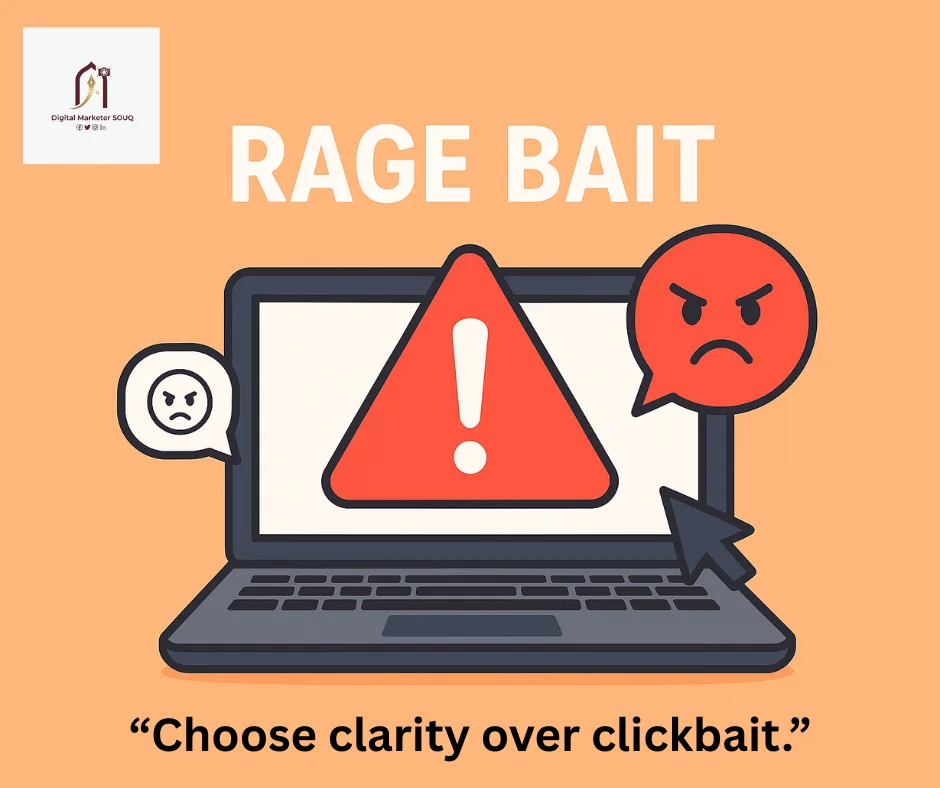
Rage bait is a type of emotional clickbait that is created purposefully to make people angry. It triggers quick reactions, which helps the post spread faster. Many viral outrage posts use dramatic headlines or misleading videos to get instant attention.
This type of content often includes:
- Shock-based wording
- Emotional manipulation
- Out-of-context images
- Fake outrage
Because of this, rage bait becomes one of the most threatening social media trends online today.
Why People Create Rage Bait
Creators use rage bait because it brings quick engagement. It gets clicks, comments, and shares. It also fools algorithms into pushing the content to more people. However, this type of manipulative content online harms trust in the long run.
How Rage Bait Works Online
Rage bait works like fire by using anger to drive engagement. When users react emotionally, the platform sees that as a sign of popularity.
How Social Media Algorithms React
Algorithms boost posts with:
- Fast comments
- Strong reactions
- High shares
- Negative engagement
They don’t detect whether emotions are positive or negative. Therefore, outrage content spreads quickly.
Why Emotional Posts Spread Faster
People respond instantly to anger. They argue, comment, or share without thinking. This is why harmful content, such as fake outrage clips, becomes viral so easily.
Common Signs of Rage Bait
Once you understand the warning signs, you can easily avoid rage bait.
Headlines Designed to Trigger Anger
Common examples include:
- “Everyone is angry about this!”
- “This will make you furious!”
- “What they did will shock you!”
These headlines are created to spark an emotional reaction, not to share real information.
Misleading Photos or Videos
You may see:
- Edited screenshots
- Old videos used as new
- Cropped images
- Out-of-context clips
These are classic signs of manipulative content online.
Why Rage Bait Is a Problem
Rage bait has many negative effects on both mental health and brand reputation.
How Rage Bait Affects Your Mood
Constant exposure to online anger content can cause:
- Stress
- Anxiety
- Emotional burnout
- Negative thinking
This is one of the harmful social media trends that affects people without them noticing.
How Rage Bait Hurts Brands and Businesses
When brands use rage bait, they lose trust. Customers may unfollow or leave bad reviews. Rage bait damages:
- Credibility
- Customer loyalty
- Long-term growth
This is why digital marketing ethics are extremely important today.
How Digital Marketers Can Avoid Rage Bait
You can get engagement without using harmful or negative tactics.
Tips for Creating Honest Content
To avoid rage bait:
- Share verified facts
- Avoid exaggeration
- Use clear headlines
- Stay respectful
- Give balanced views
This builds trust and supports healthy engagement.
Better Ways to Get Engagement
Instead of rage bait, you can share:
- Helpful guides
- Educational posts
- Personal stories
- How-to tips
- Inspiring messages
These strategies attract the right audience without manipulating them.
Safe Alternatives to Rage Bait
There are many ways to grow without using controversial posts.
Helpful and Positive Posts
Positive content performs very well online. People enjoy:
- Motivational stories
- Success lessons
- Good news updates
These posts support stronger, more loyal communities.
Educational and Story-Based Content
Educational content helps people learn. Storytelling builds emotional connection without causing fake outrage. These are the best ways to grow safely and sustainably.
Tools That Detect Rage Bait
Here are some tools that help identify clickbait and harmful content:
Browser and AI Tools
- NewsGuard
- Clickbait Detector
- Google Fact Check Tools
You can also explore the Google Safety Center for more online protection tips.
FAQs About Rage Bait
1. What is rage bait?
Rage bait is content designed to make people angry so they react quickly.
2. Why does rage bait spread fast?
Because emotional content triggers fast engagement, and algorithms reward it.
3. Is rage bait harmful?
Yes. It affects mental health and spreads low-value, negative information.
4. Should brands use rage bait?
No. It destroys trust and damages reputation.
5. How can I avoid rage bait?
Pause, check facts, and don’t react immediately.
6. What content works better?
Positive, helpful, educational, and truthful content.
Conclusion
Rage bait spreads quickly but hurts people and brands. By choosing honest, helpful, and positive content, you build trust and create long-term success. Safe online engagement always wins.


Leave a Reply